


Debunking common myths about gambling What you need to know
Debunking common myths about gambling What you need to know
Understanding the Luck Factor
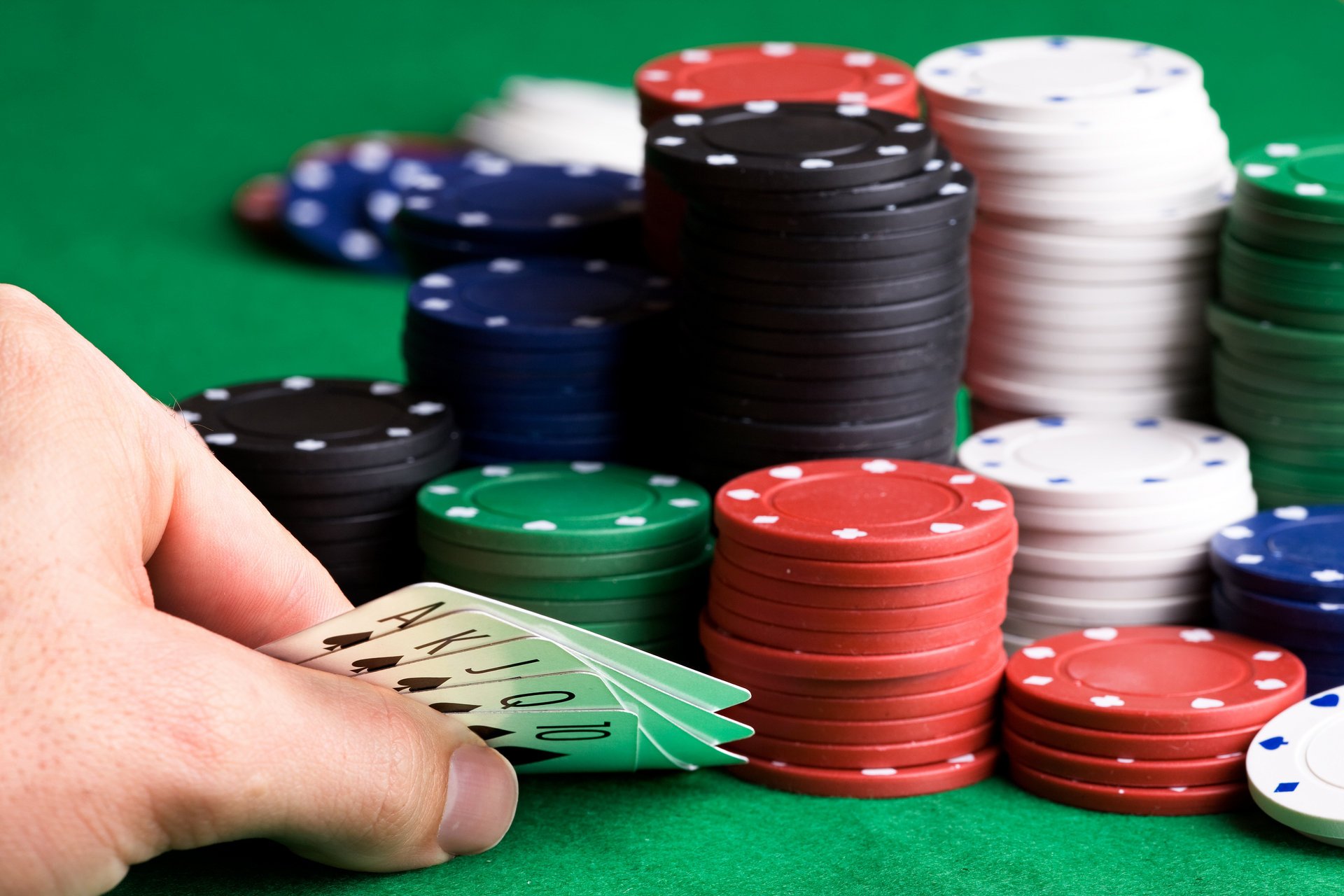
One of the most prevalent myths about gambling is that it is solely a game of luck. While luck undeniably plays a role in many gambling activities, skill and strategy also significantly influence outcomes, especially in high-stakes games like poker or blackjack. Players who invest time in learning the intricacies of these games often develop strategies that can lead to better decision-making, thus enhancing their chances of winning. Additionally, those interested in online betting can find resources at https://bresbet-uk.com, which provide insights into improving one’s skills. This understanding diminishes the notion that gambling is purely a chance-based activity.

Moreover, even in games that are primarily chance-based, such as slots, certain techniques can improve the experience. Knowing when to walk away, setting limits, and understanding the game’s payout structure can all contribute to a more favorable gambling experience. Therefore, it’s essential to view gambling through a broader lens that encompasses both luck and skill.
In essence, while luck is a factor, it is not the only determinant of success in gambling. Players who take the time to understand the mechanics of the games they play can navigate the unpredictable nature of gambling more effectively, making informed choices that align with their risk tolerance and financial goals.
The Myth of the Gambler’s Fallacy
The gambler’s fallacy is the belief that past events can influence future outcomes in random games. For instance, many players mistakenly believe that if a particular number has not appeared in a while, it is “due” to show up soon. This fallacy arises from a misunderstanding of probability and randomness, especially in games like roulette and slot machines. Each spin or deal is independent of the last, and previous outcomes do not alter future probabilities.
Understanding this fallacy is crucial for anyone looking to gamble responsibly. Acknowledging that each game or spin is a separate event can help players avoid making emotional decisions based on streaks or patterns that do not exist. By grounding their choices in mathematical reasoning rather than superstition, gamblers can approach their games with a clearer mindset.
In high-stakes environments, where the stakes can be substantial, recognizing and overcoming the gambler’s fallacy can make a significant difference. Players who remain focused on the present outcomes, rather than relying on past results, are more likely to make sound decisions and manage their bankroll more effectively.
The Misconception of Easy Money
Many individuals are drawn to gambling with the belief that it is an easy way to make money. This myth can be particularly alluring, especially with stories of jackpot winners and high-stakes players who seem to win effortlessly. However, the reality is that successful gambling requires discipline, knowledge, and often, a significant investment of time and money before any potential profits can be realized.
Understanding the odds and the house edge is vital for anyone considering gambling as a source of income. The truth is that, over time, the house always has an advantage, which means that most players will ultimately lose more than they win. Successful gamblers recognize this and approach their gameplay with realistic expectations, treating their gambling activities as entertainment rather than a reliable income source.
Furthermore, responsible gambling practices emphasize setting budgets and limits. Instead of viewing gambling as a potential financial windfall, it is more beneficial to think of it as a form of entertainment. This mindset can help mitigate the disappointment that often accompanies unrealistic expectations, fostering a healthier relationship with gambling as a whole.
Perceptions of Gambling Addiction
Gambling addiction is often misunderstood, leading to the belief that all gamblers are at risk of developing a problem. While it is true that some individuals can develop harmful gambling habits, the vast majority of gamblers can engage in the activity responsibly. This myth can stigmatize casual gamblers and prevent them from enjoying their experience due to unwarranted fears of addiction.
It’s important to differentiate between casual gambling and pathological gambling. Many people can enjoy gambling as a form of entertainment without ever crossing into compulsive behaviors. Education about responsible gambling, such as recognizing warning signs and understanding personal limits, is essential to fostering a safe gambling environment.
By promoting awareness and resources for responsible gambling, individuals can enjoy their experience without fear. Encouraging open dialogue about gambling habits and the potential for addiction can lead to healthier attitudes toward gambling, helping to dispel myths and foster a more informed community.
Exploring BresBet’s Responsible Gambling Practices
BresBet UK stands out as an engaging online betting platform committed to responsible gambling. With features designed to promote a safe betting environment, BresBet offers extensive resources for those looking to gamble responsibly. The site is licensed by the UK Gambling Commission, ensuring that it adheres to strict regulations aimed at protecting users.
New users can benefit from competitive odds and generous promotions, including a welcome bonus that offers 50% cashback on first-day losses. However, BresBet emphasizes the importance of responsible gambling by providing tools that help users set limits and track their betting activities. This allows players to enjoy high-stakes games without losing control.
By fostering a responsible gambling culture, BresBet not only enhances user experience but also contributes to a broader understanding of gambling practices. Players can explore over 24 sports markets and participate in weekly free bets and racing specials, all while being supported by a platform that prioritizes player safety and informed decision-making.